Etsy Business
Best Selling Etsy Categories in 2026
By The Crafty CEO · Updated 2026-03-28
If you're thinking about starting an Etsy shop or expanding your existing product line, choosing the right category is one of the most critical decisions you'll make. In 2026, the Etsy marketplace has matured significantly, and the highest-earning sellers aren't just guessing what sells—they're targeting categories with proven demand, manageable competition, and solid profit margins.
This guide breaks down the best-selling Etsy categories right now, complete with market data, profit potential, and exactly how to validate a category before you invest time and money into it.
 Hero visual for this section
Why Category Selection Makes or Breaks Your Etsy Shop
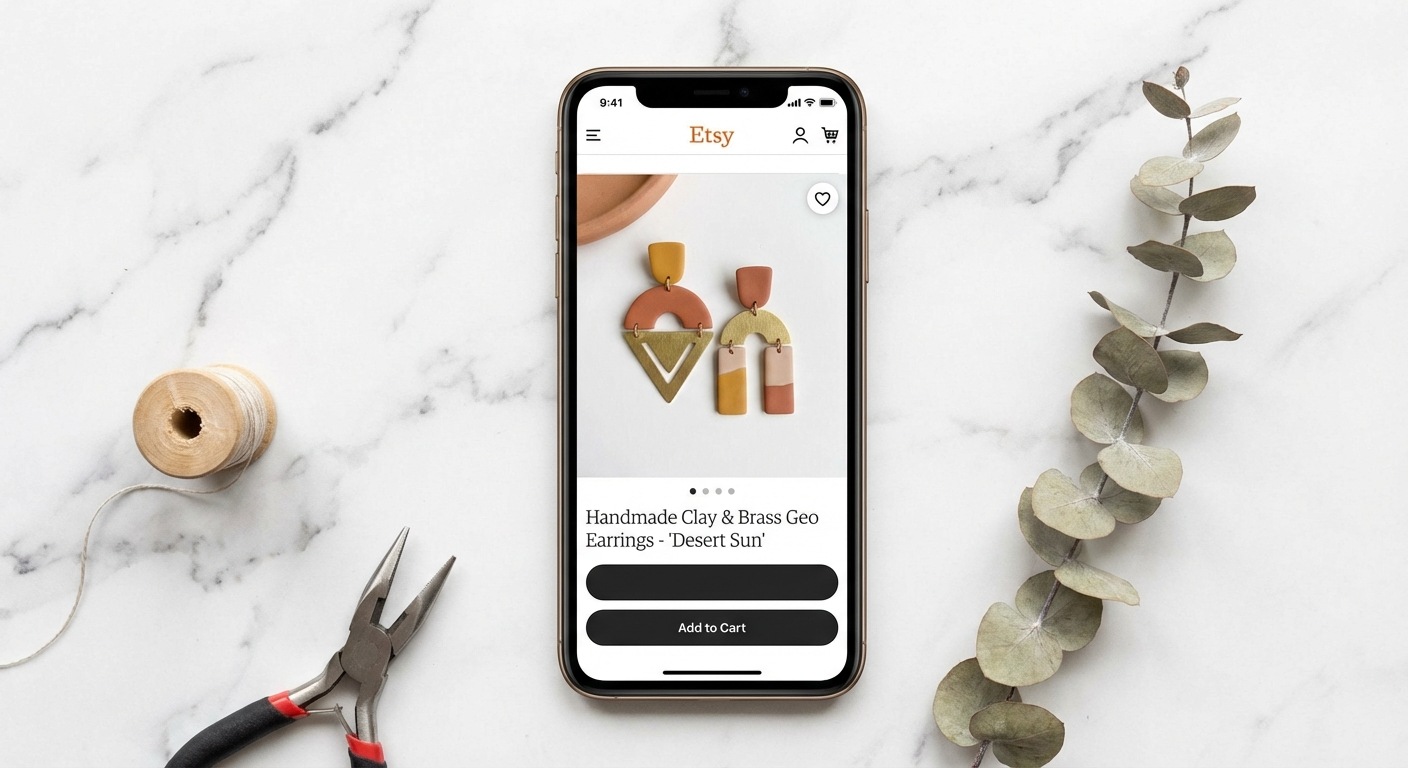 Comparison visual for Why Category Selection Makes or Breaks Your Etsy Shop
Here's the reality: not all Etsy categories are created equal.
Some categories are saturated with sellers, driving prices down and making it nearly impossible for new shops to get visibility. Others have thin profit margins because customers expect rock-bottom prices. And then there are the sweet-spot categories—categories with healthy demand, reasonable competition, and the ability to charge premium prices.
The difference between launching in a dead-end category versus a thriving one can mean the difference between making $500/month and $5,000/month. That's why we're breaking this down with actual data.
Top 10 Best-Selling Etsy Categories in 2026
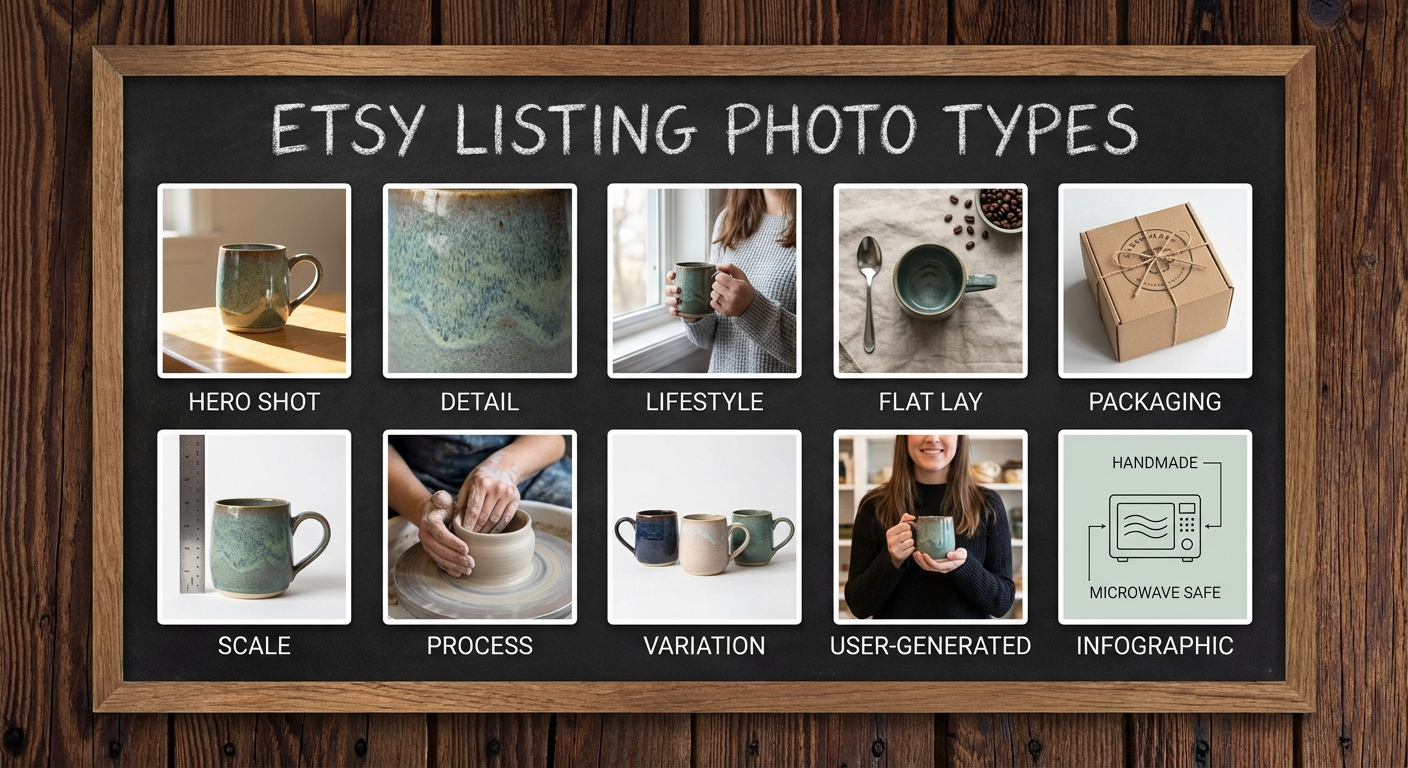 Infographic visual for Top 10 Best-Selling Etsy Categories in 2026
1. Personalized Gifts & Custom Merchandise
Annual Market Size (Etsy): ~$1.2B
Profit Margin: 65-75%
Competition Level: High (but fragmented)
Startup Cost: $200-$500
Personalized gifts remain the powerhouse category on Etsy. Why? Because every holiday, milestone, and occasion creates demand, and people are willing to pay premium prices for something custom-made specifically for them.
What's selling in 2026:
- Personalized photo gifts (mugs, blankets, canvas prints)
- Custom name art and monogram signs
- Engraved jewelry and accessories
- Custom pet portraits
- Personalized wedding favors
The magic here is that you can charge 3-4x what a generic version would cost. A basic mug might sell for $12; a personalized mug can easily sell for $35-$45.
Validation signal: Search "[product] personalized" in any major category (mugs, blankets, jewelry) and count shops with 1,000+ sales. If there are 50+, it's hot.
2. Digital Products & Printables
Annual Market Size (Etsy): ~$850M
Profit Margin: 85-95%
Competition Level: Very High
Startup Cost: $0-$200
Digital products have near-zero delivery cost, infinite scalability, and margins that make every other category jealous. A $15 digital planner or printable template requires zero physical inventory, zero shipping cost, and sells to unlimited customers.
What's selling in 2026:
- Digital planners (daily, weekly, budget, fitness)
- Printable wall art and home decor
- Coloring pages and activity books
- Editable templates (invitations, resumes, menus)
- SVG files for crafters and small businesses
The barrier to entry is low, which means competition is intense. But if you can nail a niche (like "printable wedding planning" or "Cricut SVG files for DIY Christmas decor"), you can build a catalog business that generates 50+ sales/week with minimal effort.
Validation signal: Search your target subcategory + "printable" and look at bestseller shop reviews. If top sellers have 10,000+ reviews and 4.9-star ratings, it's proven.
3. Handmade Home Decor & Furniture
Annual Market Size (Etsy): ~$950M
Profit Margin: 55-70%
Competition Level: High
Startup Cost: $1,000-$5,000
People are spending money on their homes again, and they want pieces that feel unique and artisanal. Mass-produced home decor is everywhere; handmade home decor commands premium prices.
What's selling in 2026:
- Wooden signs and wall art
- Macramé wall hangings and plant hangers
- Handpainted ceramic and pottery
- Wooden furniture (small tables, shelves, organizers)
- Textile art and woven wall pieces
- Personalized family trees and custom map art
The startup cost is higher because you need materials and potentially tools, but the profit margins are solid. A wooden sign that costs $15 in materials can sell for $60-$85.
Validation signal: Filter by "Free Shipping" and "Under $100" on category searches. If you see hundreds of listings with consistent 4.8+ ratings and healthy review counts, it's proven.
4. Custom Clothing & Apparel
Annual Market Size (Etsy): ~$1.1B
Profit Margin: 50-65%
Competition Level: High
Startup Cost: $500-$2,000
T-shirts, hoodies, and apparel with custom graphics, embroidery, or hand-painted designs are huge. The key is NOT competing on generic blank apparel—it's offering unique designs that resonate with specific communities.
What's selling in 2026:
- Niche graphic tees (hobby-specific, insider humor, fandom)
- Hand-embroidered apparel
- Tie-dye and hand-dyed clothing
- Personalized baby bodysuits and kids' clothes
- Vintage-inspired and retro designs
Print-on-demand makes this easy to scale without inventory, but the profit margin is lower when using POD. If you produce in-house or batch print, margins improve significantly.
Validation signal: Search popular design categories (e.g., "cat lover shirt") and check if top shops have steady sales velocity. Look at "Favorites" count—if the most popular listing has 20,000+ favorites, there's massive demand.
5. Jewelry & Accessories
Annual Market Size (Etsy): ~$1.4B
Profit Margin: 60-80%
Competition Level: Very High
Startup Cost: $300-$1,500
Jewelry is the largest category on Etsy by sales volume. The catch? Most jewelry categories are oversaturated. But there are profitable niches: handmade statement pieces, personalized jewelry, and niche-specific designs (e.g., astronomy jewelry, minimalist designs, boho-inspired).
What's selling in 2026:
- Personalized nameplate necklaces and bracelets
- Birthstone and constellation jewelry
- Handmade wire-wrapped jewelry
- Minimalist geometric designs
- Vintage and antique-inspired pieces
Success here requires either (a) unique design differentiation or (b) a dedicated audience that knows you. Generic jewelry gets buried.
Validation signal: Look at bestseller lists in jewelry subcategories. If the same shops appear month after month with new designs, they've cracked the algorithm.
6. Pet Products & Accessories
Annual Market Size (Etsy): ~$620M
Profit Margin: 65-75%
Competition Level: Medium-High
Startup Cost: $300-$800
Pet parents spend freely on their animals, and the personalization angle is strong (custom pet beds, personalized pet toys, pet-themed home decor). This category has grown 40%+ year-over-year since 2023.
What's selling in 2026:
- Personalized pet beds and mats
- Custom pet portraits and paintings
- Pet-themed home decor and signs
- Handmade pet toys and enrichment items
- Personalized pet jewelry and collar tags
- Pet loss memorial items
The emotional connection people have with their pets means they're willing to pay premium prices. A basic pet bed costs $30; a custom-embroidered, personalized bed sells for $80-$120.
Validation signal: Search "cat lover gifts" or "dog-themed [item]" and check for consistent, high-review counts. Pet products have strong repeat buyer potential.
7. Wedding & Event Decor
Annual Market Size (Etsy): ~$580M
Profit Margin: 60-75%
Competition Level: High
Startup Cost: $400-$1,200
Weddings, bridal showers, bachelor/bachelorette parties, and large events create consistent demand for custom, personalized decor. High average order value ($50-$500+) and strong margins make this category attractive.
What's selling in 2026:
- Personalized bridal shower games and decor
- Custom wedding signage and seating arrangements
- Bachelorette party supplies and favors
- Engagement and bridal gift sets
- Personalized thank-you cards and favors
The season matters—peak wedding season (April-September in northern hemisphere) drives sales spikes, and you need to plan inventory accordingly.
Validation signal: Check reviews for repeat customers and custom order requests. High customization requests indicate sellers can charge premium prices.
8. Vintage & Retro Items
Annual Market Size (Etsy): ~$780M
Profit Margin: 40-70% (highly variable)
Competition Level: Medium
Startup Cost: $100-$500 (for sourcing)
Vintage and retro items have dedicated buyers. The challenge is sourcing consistently, but if you have access to vintage inventory (estate sales, thrift stores, wholesale vintage suppliers), this can be highly profitable.
What's selling in 2026:
- Vintage clothing and accessories
- Retro home decor and furniture
- Vintage band tees and band merch
- Antique jewelry
- Vintage kitchenware and collectibles
Success requires curation and storytelling. Listing a vintage dress isn't enough—you need to tell the story, highlight the condition, and price appropriately.
Validation signal: Look at top vintage sellers' shops. If they have 50,000+ sales and consistent reviews, they've proven the model works.
9. Handmade Crafts & DIY Supplies
Annual Market Size (Etsy): ~$520M
Profit Margin: 50-70%
Competition Level: Medium
Startup Cost: $400-$1,500
Crafters buy supplies, patterns, and components from other crafters. This creates a B2B-within-B2C dynamic that can be very profitable. If you source high-quality beads, yarns, fabric scraps, or craft components, you can build loyal wholesale customers.
What's selling in 2026:
- Yarn and knitting/crochet supplies
- Jewelry-making components and beads
- Fabric scraps and textile supplies
- DIY craft kits and pattern bundles
- Specialty tools and hardware for makers
Validation signal: Check bestseller lists in crafting subcategories. Steady, repeating customers and bulk orders indicate a proven market.
10. Baby & Kids Products
Annual Market Size (Etsy): ~$440M
Profit Margin: 55-70%
Competition Level: High
Startup Cost: $300-$800
New parents and gift-givers spend readily on unique, safe, personalized baby and kids products. The personalization angle (custom baby blankets, personalized name signs, bespoke nursery decor) is very strong.
What's selling in 2026:
- Personalized baby blankets and nursery decor
- Handmade wooden toys and educational items
- Custom baby gifts and milestone markers
- Personalized storybooks
- Organic and eco-friendly baby products
Safety certifications and transparency about materials matter here. Customers are cautious about what touches their babies, so build trust through detailed descriptions and honest reviews.
Validation signal: Look for top sellers with 5,000+ reviews specifically for baby products. Strong review counts indicate customer trust and repeat purchases.
Seasonal Categories: Timing-Dependent Opportunities
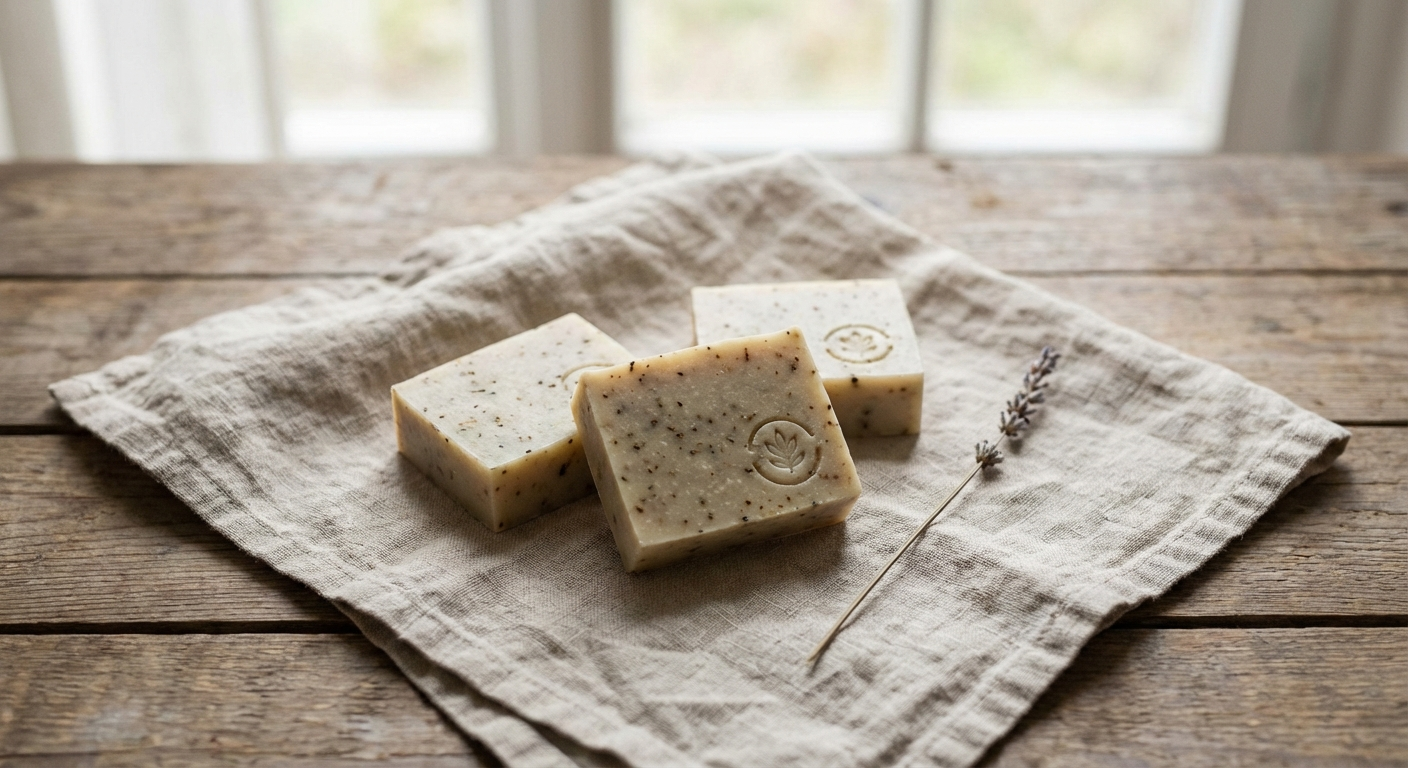 Setup visual for Seasonal Categories: Timing-Dependent Opportunities
Some categories are evergreen; others spike seasonally. If you choose a seasonal category, you need to plan ahead.
Holiday & Seasonal (November-December Peak)
Christmas is the season on Etsy. November and December drive 30-40% of annual sales for holiday-related products.
High-performers:
- Personalized Christmas ornaments
- Holiday home decor (wreaths, stockings, garland)
- Ugly Christmas sweaters and funny holiday apparel
- DIY advent calendars and holiday printables
- Christmas gift guides and wrapping supplies
Planning: Inventory and marketing should start in August. By October, you need to be fully stocked.
Valentine's Day (January-February Peak)
Valentine's products spike hard in January and February but are dead the rest of the year. Plan accordingly.
High-performers:
- Personalized Valentine's gifts
- Couple's items and custom portraits
- Valentine's decor and printables
- Love-themed jewelry and home goods
Back-to-School (July-August Peak)
Parents stock up on school supplies, personalized items, and gear in July and August.
High-performers:
- Personalized pencil cases, lunch boxes, backpacks
- School organization printables
- Custom name labels
- Teacher appreciation gifts
Emerging & Growth Categories in 2026
 Detail visual for Emerging & Growth Categories in 2026
These categories aren't the biggest by volume yet, but they're growing fast and have less competition than established powerhouses.
Sustainable & Eco-Friendly Products
Growth rate: +35% YoY
Profit margin: 60-75%
What's hot: Reusable products, sustainable packaging, zero-waste alternatives, upcycled items, eco-friendly home goods
AI & Tech-Adjacent Crafts
Growth rate: +28% YoY
Profit margin: 70-85%
What's hot: Prompts and digital tools for AI image generators, AI-optimized design templates, tech accessories with artisanal flair
Niche Hobby & Interest Products
Growth rate: +25% YoY
Profit margin: 65-80%
What's hot: Hyper-specific community products (indie film fan merch, niche gaming, D&D miniatures, bookish gifts)
Profit Margin Comparison: DIY vs. Handmade vs. Vintage
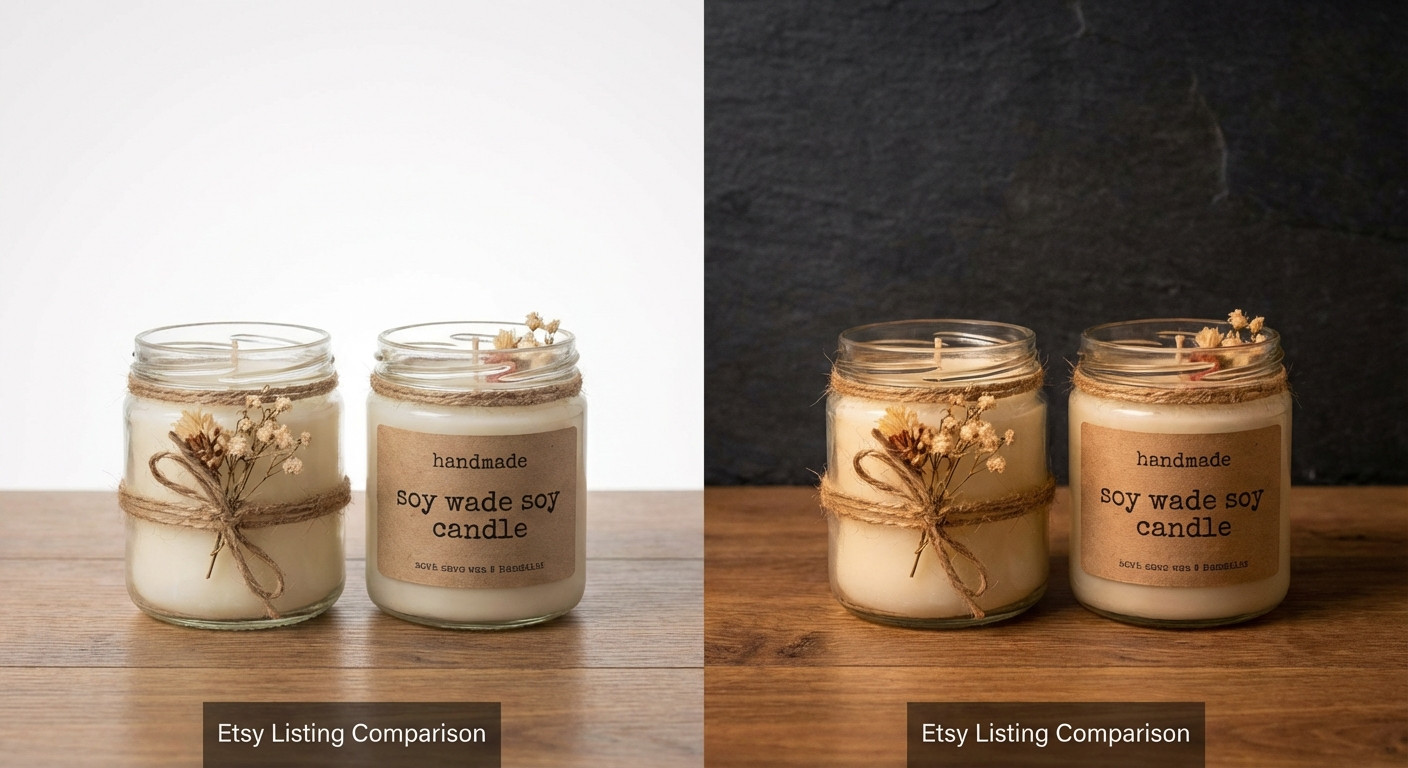 Lifestyle visual for Profit Margin Comparison: DIY vs. Handmade vs. Vintage
Not all product types have the same profit potential. Here's how they stack up:
| Product Type | Typical COGS | Typical Selling Price | Profit Margin | Scalability | Notes |
|---|---|---|---|---|---|
| Digital Products | $0-$20 | $15-$50 | 85-95% | Unlimited | Highest margins; most competition |
| Personalized Handmade | $5-$20 | $40-$150 | 65-80% | Limited (time) | High prices; requires skill/tools |
| Printables/Templates | $0 | $10-$30 | 90%+ | Unlimited | Requires design skill |
| Handmade Decor | $10-$30 | $40-$100 | 55-70% | Limited | Requires materials & tools |
| Print-on-Demand | $12-$25 | $30-$60 | 45-65% | Unlimited | Low margin; outsourced production |
| Vintage/Resale | $5-$50 (variable) | $25-$150 | 40-70% | Limited (sourcing) | Depends entirely on sourcing ability |
Key takeaway: Digital products and personalized handmade items have the best margins, but they require different skills and time investments.
How to Validate a Category Before Committing
 Product Lineup visual for How to Validate a Category Before Committing
Don't just pick a category because it sounds fun. Validate it first. Here's the process:
Step 1: Research Bestsellers in Your Target Category
Go to Etsy and filter by "Bestsellers" or "Best Reviewed" in the category you're interested in. Answer these questions:
- Are there 50+ shops with 1,000+ sales?
- Do top listings have 4.8+ star ratings?
- Are reviews recent (within last month)?
- Do you see the same shops repeatedly, or is there diversity?
What it means: Consistent, recent sales from diverse shops = proven demand.
Step 2: Analyze Keyword Search Volume & Competition
Use the keywords you plan to target and check:
- Etsy search volume: Search the exact phrase on Etsy. How many listings appear? (10k+ = high competition; 2k-5k = sweet spot; <2k = potential underserved niche)
- Google search volume: Use Google Keyword Planner. Is there search demand outside Etsy too? (Good sign for marketing)
- Seller density: How many active, top-reviewed shops are in your exact niche? (Few = opportunity; many = saturated)
Step 3: Test with 5-10 Listings
Don't go all-in. Create 5-10 test products and run them for 30-60 days. Monitor:
- Click-through rate (CTR) from Etsy search
- Conversion rate (clicks → sales)
- Average order value
- Customer feedback
If after 60 days you have 5+ sales and positive reviews, the category is likely viable.
Step 4: Calculate Real Profit Potential
Once you have data from your test listings, map out real numbers:
Monthly profit = (Sales × Price) - (Materials) - (Shipping) - (Fees) - (Time)
Remember:
- Etsy fees: 6.5% transaction fee + $0.20 listing fee + 3% + 0.4% payment processing
- Shipping varies wildly (digital = $0, physical = $5-$25+)
- Your time has value (even if unpaid initially)
If after honest math the monthly profit is under $500 for 10+ hours/week of work, reconsider.
Comparison: Can You Actually Compete in This Category?
 Tips visual for Comparison: Can You Actually Compete in This Category?
Before you commit, be honest with yourself:
| Question | Answer = "Go" | Answer = "Hold" |
|---|---|---|
| Do I have unique designs/sourcing/angle? | Yes | No |
| Is the category growing or stable? | Yes | Shrinking |
| Can I realistically launch 10+ products? | Yes | No |
| Do top sellers look professional? (implies high standard) | Yes | Low-effort shops dominating |
| Can I commit 10+ hours/week for 6 months? | Yes | Only a few hours/week |
| Does the math show $500+/month potential? | Yes | Unlikely |
If you answer "Hold" to more than 2 questions, choose a different category.
FAQ: Best-Selling Etsy Categories
Q: What's the single most profitable Etsy category right now?
A: Personalized gifts and digital products tie for most profitable in terms of raw volume + margin. Personalized gifts have higher prices but time constraints; digital products have infinite scalability and 90%+ margins. Choose personalized if you're skilled at design/creation; choose digital if you're skilled at design + marketing.
Q: How long does it take to see sales in a competitive category?
A: Expect 4-12 weeks for your first consistent sales in a competitive category. Etsy takes time to index new listings and build algorithmic visibility. If you have zero sales after 12 weeks, revisit your keywords, photos, and pricing.
Q: Should I start with one product or multiple products?
A: Start with a cohesive collection of 5-10 related products. Etsy's algorithm favors shops with multiple listings and consistent quality. A shop with 10 solid products will outrank a shop with 1 perfect product.
Q: How do I know if a category is oversaturated?
A: If a search for your target keyword returns 10,000+ listings and the average shop has fewer than 100 sales, it's oversaturated. If the top 10 shops have 5,000+ sales each but there's diversity in design/style, there's still room.
Q: What's the difference between "trending" and "reliable" categories?
A: Trending categories grow fast but can collapse (example: fidget spinners). Reliable categories have consistent demand year-over-year. Aim for reliable categories first; add trending categories once you have a stable base.
Q: Can I compete against established shops with 10,000+ reviews?
A: Yes, if you find a differentiated angle. Don't try to out-sell them directly—find a sub-niche they're not serving. Example: If the big personalized mug shops focus on photo mugs, you could dominate "funny quote mugs" or "job-specific mugs."
Q: How much should I charge for my products?
A: Charge based on your costs (COGS + shipping + fees) plus at least 50% margin. Example: If your cost is $15 and fees are $5, charge $40+ (65% margin). Check what similar products sell for and position accordingly.
Q: Should I focus on one category or launch across multiple categories?
A: Master one category first (3-6 months). Once you have systems and consistent sales, expand. Spreading thin across multiple categories at launch dilutes your focus and prevents you from becoming known for anything specific.
The Bottom Line: Choose a Category, Then Go Deep
The best Etsy category isn't the one with the highest theoretical sales volume—it's the one where you can:
- Create products customers actually want
- Compete on design, personalization, or uniqueness (not just price)
- Build sustainable, profitable margins
- Scale over time without burning out
Start with the categories we've covered here. Validate one. Then commit to it fully for 6-12 months. Jumping between categories is the #1 reason new Etsy sellers fail.
Ready to start? Go back to our guide on how to start an Etsy shop to set up your account, then return here to choose your category. Once you've picked, use our Etsy SEO tools guide to optimize your listings for maximum visibility.
The best time to launch was yesterday. The second-best time is today. Pick your category and get started.